- Aug 12, 2024
Beat the Heat with Hydrosols
- Michelle Como
- 0 comments
When the heat turns up, it’s time to chill out with nature’s coolest allies. Embrace the refreshing power of hydrosols that can transform your sweltering days into a haven of calm. These delicate, aromatic waters not only cool you down physically but also soothe your spirit, offering a serene escape from the blazing heat. Dive into the world of hydrosols and let their gentle touch help you stay cool, both physically and emotionally.
What are Hydrosols?
The word hydrosol is derived from the Latin word “hydro” meaning “water”, and “sol” for “solution.” In the world of aromatherapy hydrosols are also known as hydrolats. Like essential oils, hydrosols are distilled from flowers, roots, seeds, woods, leaves, bark and fruits. They are distilled from aromatic and, at times, non-aromatic medicinal plants. Hydrosols contain the water-soluble constituents of the aromatic/medicinal plant. In other words, the chemical constituents that dissolve in water. Suzanne Catty defined them this way – “Hydrosols are the condensate water co-produced during the steam or hydro-distillation of the plant material for aroma-therapeutic purposes.” In recent years, there are companies distilling plant material solely to produce these therapeutic hydrosols.
“Hydrosols contain all of the plant in a drop, just like a hologram. Here we have the water-soluble components, the essential-oil molecules, the very fluid that was flowing through the plant cells when the plant was collected. It’s all there in a matrix of water that is so much more than water, one of the most recognized holographic substances in healing.” Suzanne Catty
Unique Characteristics of Hydrosols:
Complex Composition: Unlike essential oils, which are highly concentrated and composed primarily of volatile aromatic compounds (the lipophilic, oil-loving constituents), hydrosols offer a broader range of plant compounds, including trace amounts of essential oils (0.05 to 0.2 ml per liter), organic acids, flavonoids, and other phytochemicals. These trace amounts of water-soluble essential oils are evenly dispersed and emulsified in the water, creating a stable solution. This integration, achieved through distillation, ensures that hydrosols possess a unique aroma, flavor, and therapeutic value, unlike essential oils added directly to water, which separate due to their hydrophobic nature.
Aroma and Flavor: The aroma of hydrosols is generally subtler than that of essential oils, but it can still be quite complex and nuanced. This makes them suitable for a variety of uses, from culinary applications to skincare.
pH Range: The pH of hydrosols ranges from 2.9 to 6.5 reflects the diversity of plants used and the conditions under which they are distilled. This range indicates that hydrosols are typically acidic, which can be beneficial for certain applications, such as skin care, where slightly acidic solutions can help maintain skin’s natural pH balance.
Therapeutic Properties: Due to their broad range of plant constituents, hydrosols can have various therapeutic properties, such as soothing, anti-inflammatory, and antimicrobial effects. Their gentler nature compared to essential oils makes them more suitable for applications where a milder effect is desirable. They are wonderful to work with for babies and young children.
-
Usage: Hydrosols are versatile. They can be used in skin care (as toners or facial mists), in cooking (to flavor dishes or beverages), and even in cleaning products due to their aromatic and antimicrobial properties. Hydrosols unlock a world of possibilities.
Hydrosols are a celebration of nature's complexity and versatility. They embody the essence of plants in a form that is both rich and multifaceted, weaving together a tapestry of aromatic and therapeutic properties. They are a testament to the beauty of nature's subtle intricacies, offering a more integrated and profound connection to the plant world.
What a Hydrosol is NOT
It’s not distilled, spring or tap water with essential oils added
Mixing Essential Oils with Water: Essential oils and water do not mix well. Essential oils are hydrophobic, meaning they do not dissolve in water. When you add essential oils directly to water, they tend to float on the surface or form a layer, as they are not soluble in water. This is why hydrosols, which are created through distillation and naturally blend the water-soluble portion of essential oils, organic acids and other phytochemicals with water, are different from simply adding essential oils to water.
Not water and essential oils combined with a solubol to disperse the essential oils throughout the water
Not the same as herb teas or tinctures added to water
To be considered a true hydrosol, it must be produced by distilling the plant material in a still. If it is not produced through a distillation process, it is not a hydrosol
What to Look for When Purchasing Hydrosols
1 single botanically specific plant
Certified organic
Chemical free agriculture
Sustainably wild crafted and tested for chemical contaminants
Distilled or extracted specifically for therapeutic use
Stored and transported to maintain therapeutic values
Hydrosols that have preservatives added to them are best not used for culinary, internally or therapeutic purposes
Shelf Life & Storage
The average shelf life of hydrosols is 1-2 years when stored properly. It is, however, recommended that hydrosols are used within one year to enjoy their vitality and vibrancy. To keep hydrosols fresh, it is important to keep them cool and away from direct light and heat. I like to store my hydrosols in the refrigerator.
Time to Explore Some Cooling Hydrosols
Peppermint (Mentha piperita) hydrosol
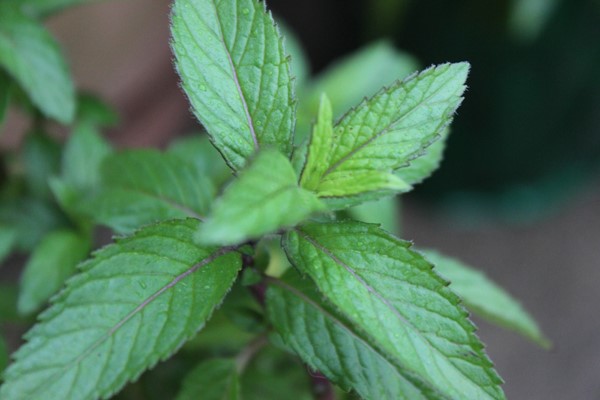
With the aroma of freshly crushed peppermint leaves, it has a cool and refreshing flavor. Peppermint is known for its anti-inflammatory, anti-spasmodic, digestive and mind-stimulating properties. Mentally stimulating, a teaspoon of peppermint hydrosol can be added to a cup of water to wake us up. Spritz it on the face to revive during hot weather, when feeling tired, or to soothe hot flashes.
Lemon Balm (Melissa officinalis) hydrosol
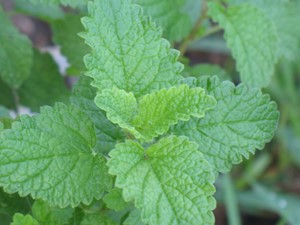
Lemon Balm hydrosol is lighter and more floral than the essential oil. Added to water it has a slightly lemony flavor. Calming to the body, Lemon Balm hydrosol is great for reducing stress and anxiety. Not only is it great to spritz on the face and body to cool off during the heat of summer, but it is also wonderful for cooling off hot emotions. Helps release anger and agitation.
Geranium (Pelargonium x asperum) hydrosol
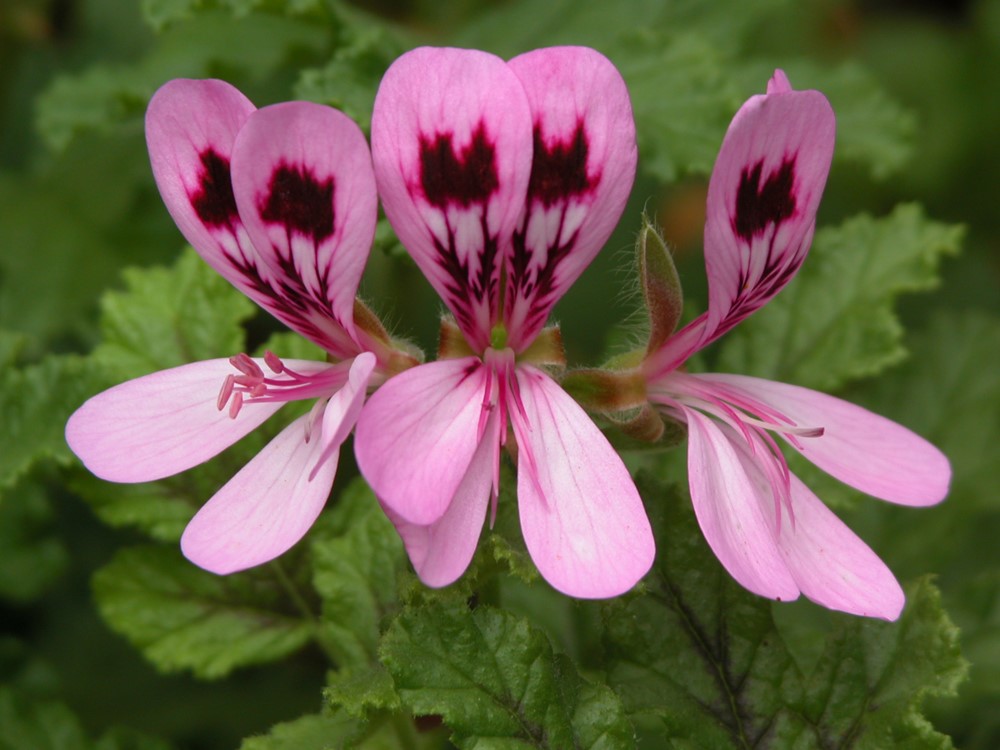
A beautiful, sweet floral rose like fragrance, it makes a wonderful body mist or perfume. Anti-inflammatory and very cooling, geranium calms sunburns, rashes and insect bites. Helpful to skin conditions where redness is present like rosacea and broken capillaries. Combats heat and is a top hydrosol for menopausal hot flashes. A teaspoon can be added to a cup of water and taken internally as well as spritz on the face and body. It is considered adaptogenic and balancing to the emotions.
Ways to Work with Hydrosols
Diffuser – add it in place of the water portion
Facial spritzer/toner
Body mist
Room spray
Pillow spray for sleep – Lavender hydrosol
Hair treatment - rosemary, peppermint hydrosol
Eye rinse – German & Roman Chamomile
Compresses
Mouth rinse/wash
Foot/full body baths
Dilution Rates
For baths: For babies up to six months add 1 teaspoon of chosen hydrosol to an infant bathtub or 2 teaspoons for an adult tub filled to baby depth. Roman Chamomile is a wonderful hydrosol for babies and children. For children up to twelve years of age, add 1 teaspoon of hydrosol per year of age, up to a maximum of 8 teaspoons. Adults can use from 30 to 250 milliliters (or 1 to 8 ounces per tub). Add 2-3 tbsp for foot bath.
For compresses: For adults add 3 to 5 tablespoons of hydrosols to l liter of water at the desired temperature; for children add 2 to 3 teaspoons of hydrosols per 1 liter of water.
To use as toner: Combine one or more hydrosols together. Can add in a small amount (1-2tbsp. per 2 ounces) aloe vera gel and/or honey as well.
Internal use: Add 1-2 tbsp in a glass of water. (e.g. Neroli/Orange flower hydrosol can be quite beneficial for reducing coffee jitters and 1-2 tsp of German chamomile hydrosol for a child over 3 years old can be quite beneficial in helping the child to sleep.)
Physically & Emotionally Cooling Recipes
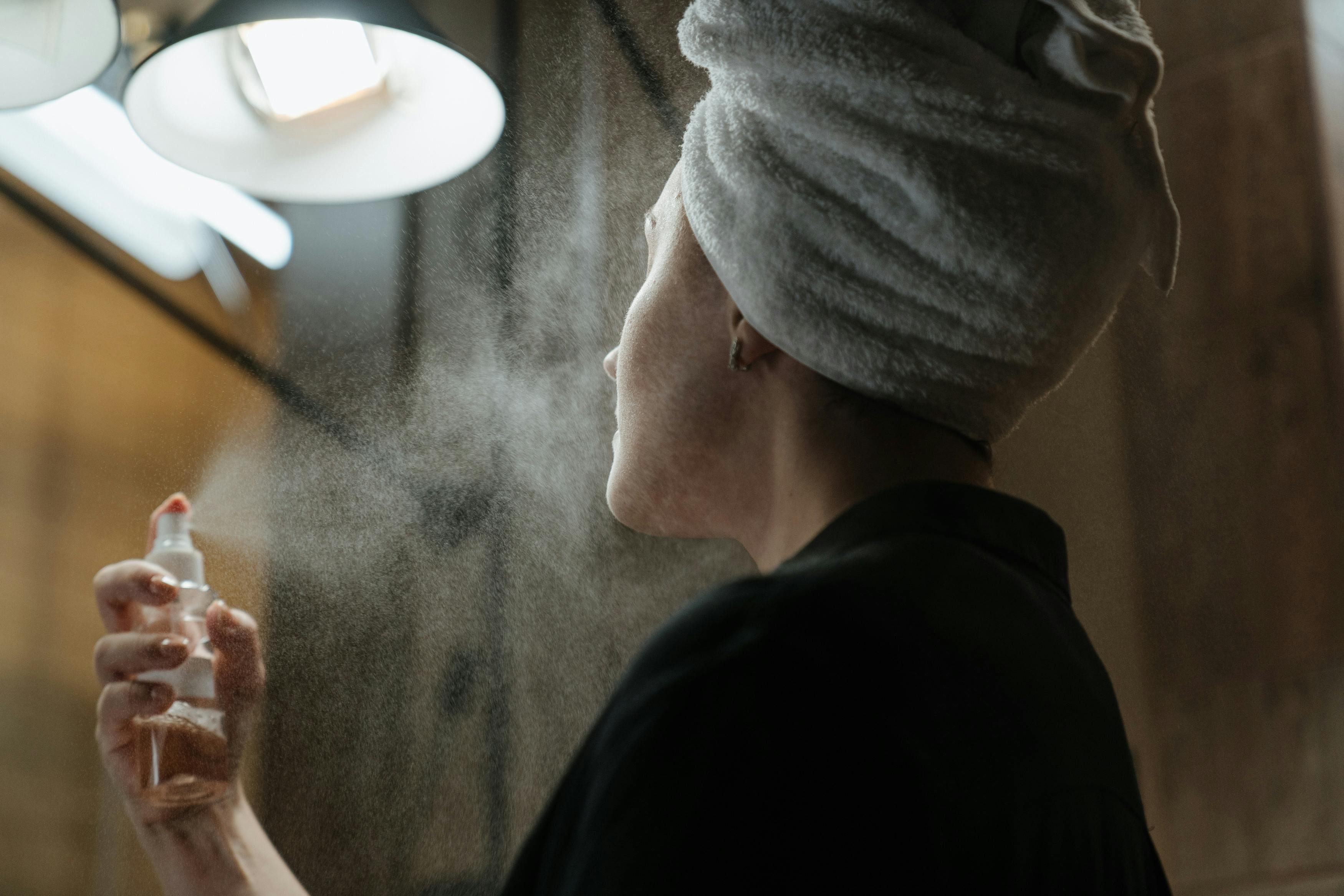
Calm the “flashes” spritzer
2 oz peppermint hydrosol
2 oz Geranium hydrosol
Combine hydrosols in a 4 oz spray bottle
Spritz directly on face, wrists and back of neck when hot flashes occur
"Cool the emotions"
Add 1 tsp Lemon Balm (Melissa) to a cup of water and enjoy
“Cooling & reviving” spritzer
2 oz lemon balm hydrosol
2 oz peppermint hydrosol
Add to a 4 oz spray bottle. Spray on the back of the neck and face as needed

Resources
Some wonderful companies that I like to purchase my hydrosols from:
Florihana – https://www.florihana.com/us/
Pheebee Aromatics - https://phibeearomatics.com/
Distill Aromatics - https://distillaromatics.com/
References
Hydrosols The Next Aromatherapy, Suzanne Catty, pgs. 10,12 ,110, 112, 118 & 119
Aromatics and the Skin, Jade Shutes, pgs. 119, 120 & 127