- Mar 3
Spring Awakening: How Nature's Return Can Transform Your Health and Well-being
- Michelle Como
- Nature
- 0 comments
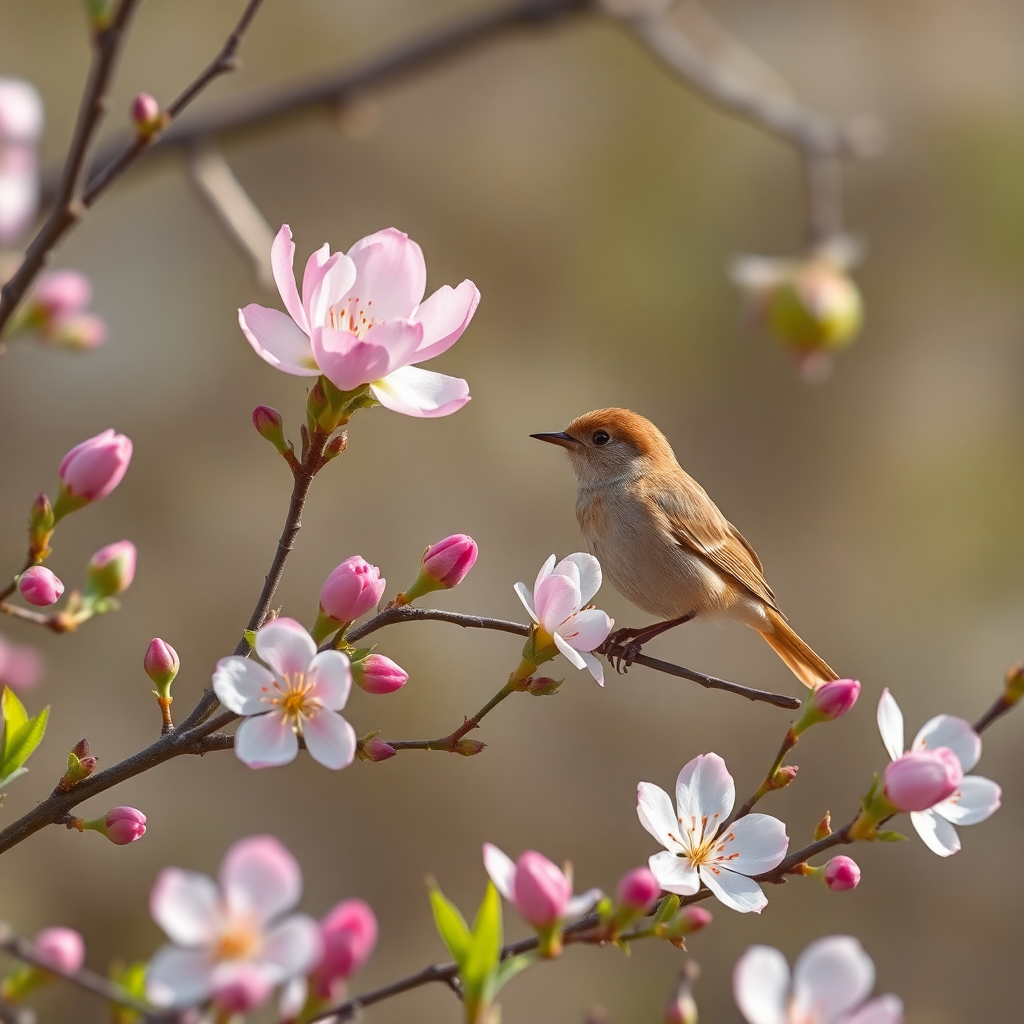
As we stand on the threshold of spring, there's something magical happening all around us. The days are growing longer, the first buds are appearing on bare branches, and somewhere in the distance, you might catch the cheerful trill of returning songbirds. This isn't just a beautiful seasonal transition—it's an invitation to reconnect with one of the most powerful healers we have: nature itself.
The research is absolutely compelling when it comes to the profound impact that spending time in natural environments has on both our physical and mental health. What's particularly exciting is how accessible these benefits are, whether you're planning a forest hike or simply bringing nature's essence indoors through carefully chosen essential oils.
The Science Behind Nature's Healing Power
Let me share something fascinating that researchers have discovered about our relationship with the natural world. When we immerse ourselves in forest environments—a practice the Japanese call "Shinrin-yoku" or forest bathing—our bodies respond in remarkable ways. This isn't just about taking a pleasant walk; it's about engaging all five senses with the forest atmosphere around us.
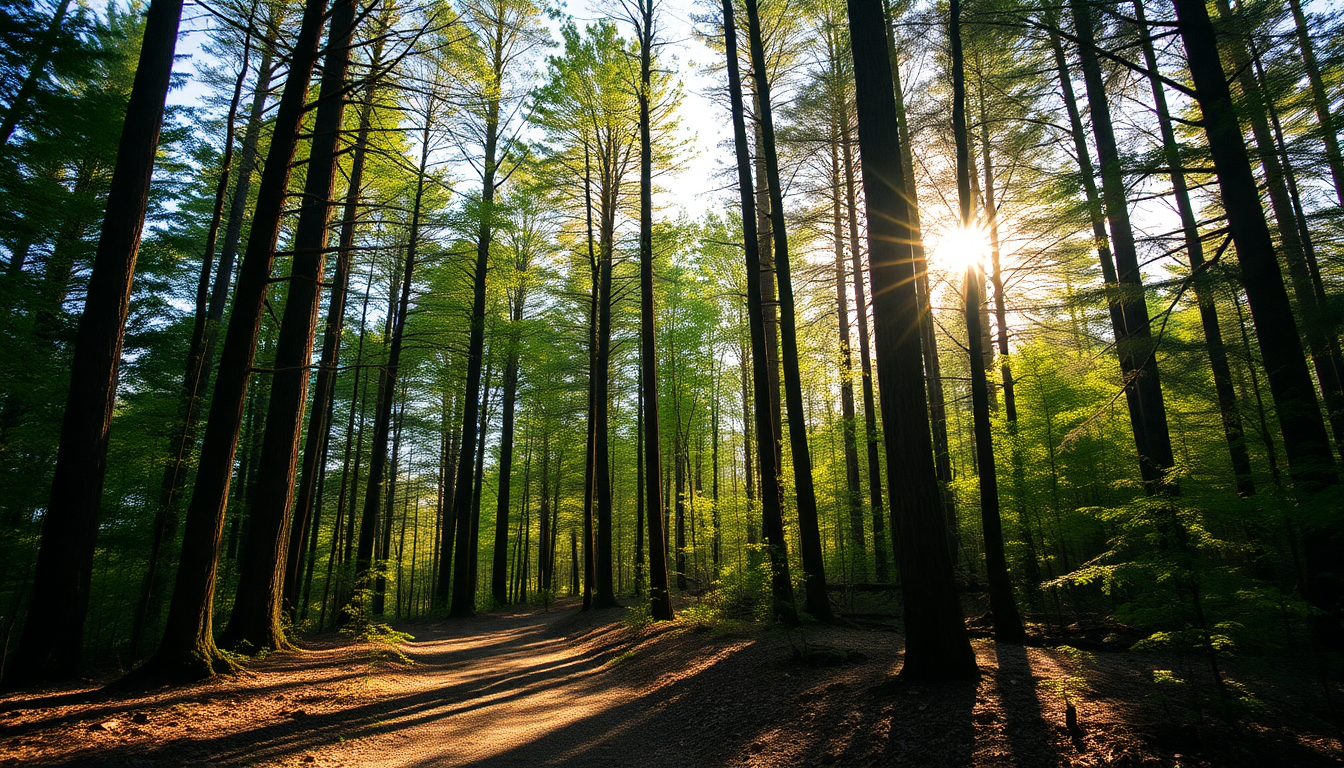
Studies have shown that forest bathing significantly boosts our immune system by increasing natural killer (NK) cell activity, which helps our bodies defend against viruses and even cancer cells. But the benefits extend far beyond immunity. Regular forest exposure reduces blood pressure and heart rate, suggesting real preventive effects against hypertension and heart disease. Perhaps most importantly for our stress-filled modern lives, time in nature dramatically reduces stress hormones like cortisol, adrenaline, and noradrenaline.
The Mental Health Revolution Hidden in Plain Sight
Here's where things get really interesting.
According to the research, exposure to natural environments—and even natural sounds—can significantly reduce rumination, that destructive pattern of repetitive, negative thinking that's strongly linked to depression and anxiety. Brain imaging studies reveal that just 90 minutes in a natural setting decreases activity in the subgenual prefrontal cortex, the brain region associated with depression and negative self-focused thoughts.
This is particularly crucial as we face an increasingly urbanized world. By 2050, 68% of the global population will live in cities, and we're already seeing the mental health consequences. Urban living is associated with higher rates of anxiety, depression, and even schizophrenia. But here's the hopeful part: even brief nature experiences can serve as a powerful buffer against these urban stressors.
The Soundtrack of Healing: Natural Sounds and Stress Reduction
One of the most accessible ways to tap into nature's benefits is through natural sounds. Research demonstrates that listening to birdsong, flowing water, or rustling leaves creates measurable physiological changes. These sounds reduce heart rate, lower blood pressure, and decrease respiratory rate compared to urban noise or even silence.
What's particularly beautiful about this research is how it validates what many of us intuitively know—that the sound of birds singing or wind through trees has an almost immediate calming effect. These natural soundscapes activate our parasympathetic nervous system, shifting us from a state of stress and alertness to one of rest and restoration.
Bringing the Forest Home: Working with Essential Oils
Now, I know what you might be thinking: "This all sounds wonderful, but I live in the city," or "I can't get to a forest every day." This is where the magic of essential oils comes in, and the science backs this up beautifully.
The research reveals that much of the forest's healing power comes from breathing in volatile organic compounds called phytoncides—natural chemicals released by trees like alpha-pinene and limonene. These same compounds are concentrated in essential oils derived from pine, fir, cypress, and other forest trees.
When you work with a pine, fir, spruce or cypress essential oil in a diffuser or roll-on blend, you're literally bringing the forest's healing chemistry into your space. Studies show that exposure to these phytoncides increases NK cell activity and reduces stress hormones, even when experienced indoors. It's like having a portable forest experience that you can access anytime.
"Forest Walk" Stress Relief Roll-On
8 drops Black Spruce (Picea mariana) essential oil
7 drops Balsam fir (Abies balsamea) essential oil
5 drops Cypress (Cupressus sempervirens) essential oil
3 drop Lemon (Citrus limon) essential oil
Fill 10ml roller bottle with fractionated coconut oil Perfect for applying to wrists and temples when you need instant calm
"Cabin in the Woods" Room Spray
3 oz distilled water
1 oz witch hazel (Hamamelis virginiana)
10 drops Atlas cedarwood (Cedrus atlantica) essential oil
12 drops Juniper berry (Juniperus communis) essential oil
7 drops Grapefruit (Citrus x paradisi) essential oil
Shake and Spray on pillows, curtains, or in the air for instant forest vibes
Your Spring Nature Prescription
As we move into spring, I encourage you to think of time in nature not as a luxury, but as essential medicine. Here's how you can start incorporating these research-backed benefits into your life:
Get Outside Regularly: Even 20-30 minutes in a local park can provide measurable stress reduction. If you have access to more wooded areas, try spending 2-3 hours for deeper restoration effects.
Engage All Your Senses: Don't just walk through nature—truly experience it. Listen to the birds, feel the bark of trees, breathe deeply, and notice the colors and patterns around you.
Create Nature Soundscapes: When you can't get outside, play recordings of natural sounds. The research shows these can be nearly as effective as being there in person for stress reduction.
Bring the Forest Indoors: Work with essential oils from conifers like pine, fir, cedar or cypress in a diffuser or create a roll-on blend for when you need instant calm. These oils contain the same beneficial compounds found in forest air.
Start Small: Even viewing nature through a window or tending to houseplants can provide measurable benefits. The key is consistent exposure to natural elements.
The Bigger Picture
What excites me most about this research is how it validates the deep connection between human health and the natural world. We're not separate from nature—we're part of it, and our well-being is intimately connected to our environment.
As spring unfolds around us, we have a unique opportunity to reset our relationship with the natural world. Whether it's a morning walk in the park, an afternoon spent gardening, or simply diffusing a conifer essential oil while you work, you're not just enjoying a pleasant experience—you're actively supporting your immune system, reducing stress, and protecting your mental health.
The evidence is clear: nature isn't just nice to have—it's necessary for optimal human health. This spring, why not make spending time in natural environments a non-negotiable part of your wellness routine?
What small step will you take today to bring more nature into your life? Your body and mind will thank you for it.
Remember, while essential oils can provide wonderful benefits, they work best as part of a holistic approach that includes actual time spent in natural environments whenever possible. Start where you are, use what you have, and let nature work its quiet magic in your life.
References:
Fan L, Baharum MR. The effect of exposure to natural sounds on stress reduction: a systematic review and meta-analysis. Stress. 2024 Jan;27(1):2402519. doi: 10.1080/10253890.2024.2402519. Epub 2024 Sep 17. PMID: 39285764.
Li Q. Effects of forest environment (Shinrin-yoku/Forest bathing) on health promotion and disease prevention -the Establishment of "Forest Medicine". Environ Health Prev Med. 2022;27:43. doi: 10.1265/ehpm.22-00160. PMID: 36328581; PMCID: PMC9665958.
Bratman GN, Hamilton JP, Hahn KS, Daily GC, Gross JJ. Nature experience reduces rumination and subgenual prefrontal cortex activation. Proc Natl Acad Sci U S A. 2015 Jul 14;112(28):8567-72. doi: 10.1073/pnas.1510459112. Epub 2015 Jun 29. PMID: 26124129; PMCID: PMC4507237.
Turunen AW, Halonen J, Korpela K, Ojala A, Pasanen T, Siponen T, Tiittanen P, Tyrväinen L, Yli-Tuomi T, Lanki T. Cross-sectional associations of different types of nature exposure with psychotropic, antihypertensive and asthma medication. Occup Environ Med. 2023 Feb;80(2):111-118. doi: 10.1136/oemed-2022-108491. Epub 2023 Jan 16. PMID: 36646464; PMCID: PMC9887361.
Stobbe E, Sundermann J, Ascone L, Kühn S. Birdsongs alleviate anxiety and paranoia in healthy participants. Sci Rep. 2022 Oct 13;12(1):16414. doi: 10.1038/s41598-022-20841-0. PMID: 36229489; PMCID: PMC9561536.